There's More Than One Way to Ride.
Adaptive Cycling
What is Adaptive cycling?
Adaptive cycling uses specialized cycles and equipment to create more ways for people with disabilities to ride.
And there isn't one reason people ride.
Some riders want to build strength or endurance. Some want speed. Some want to cover more miles. Some want to spend time outside with friends and family.
Others just want to know what it feels like to get moving down the trail.
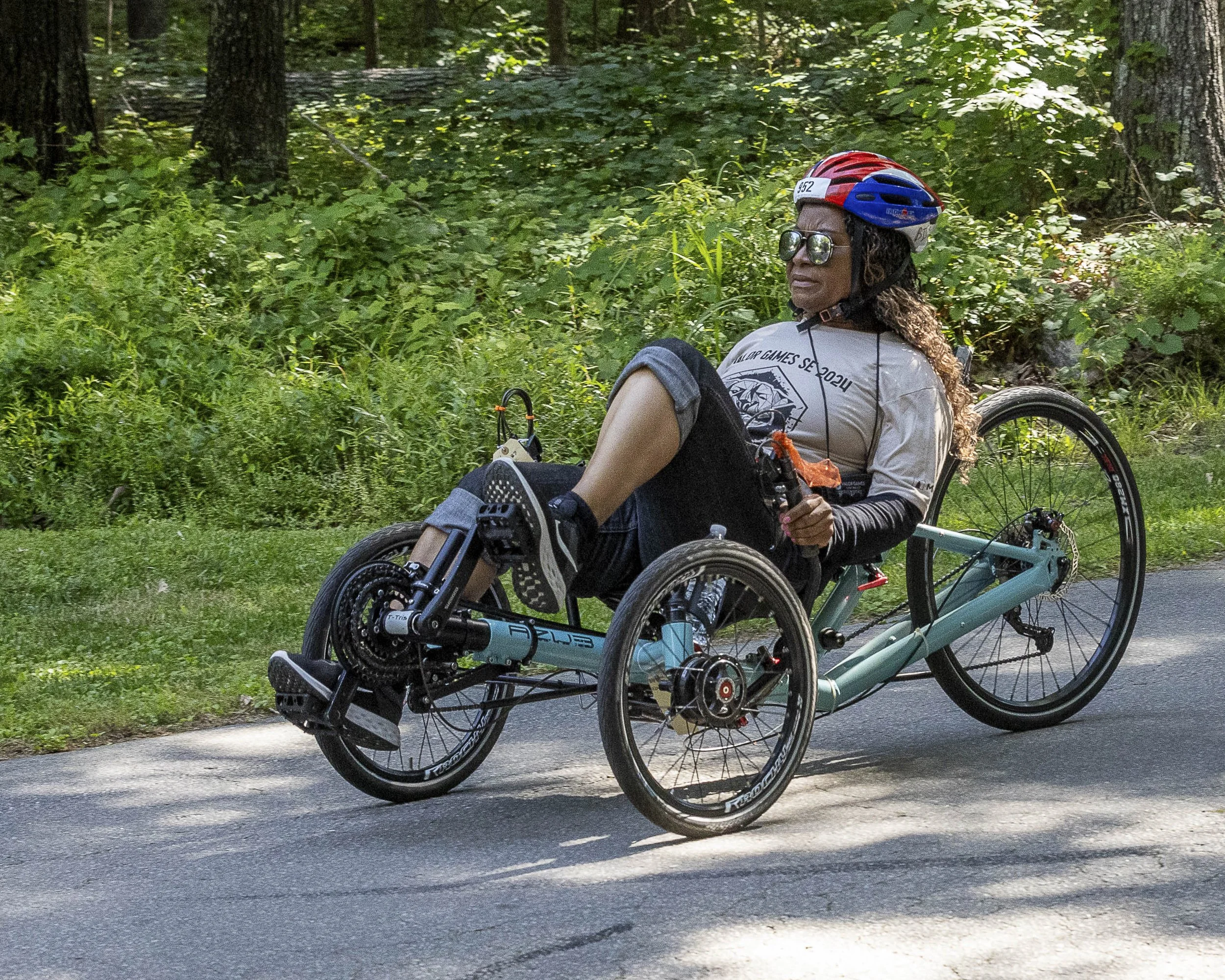
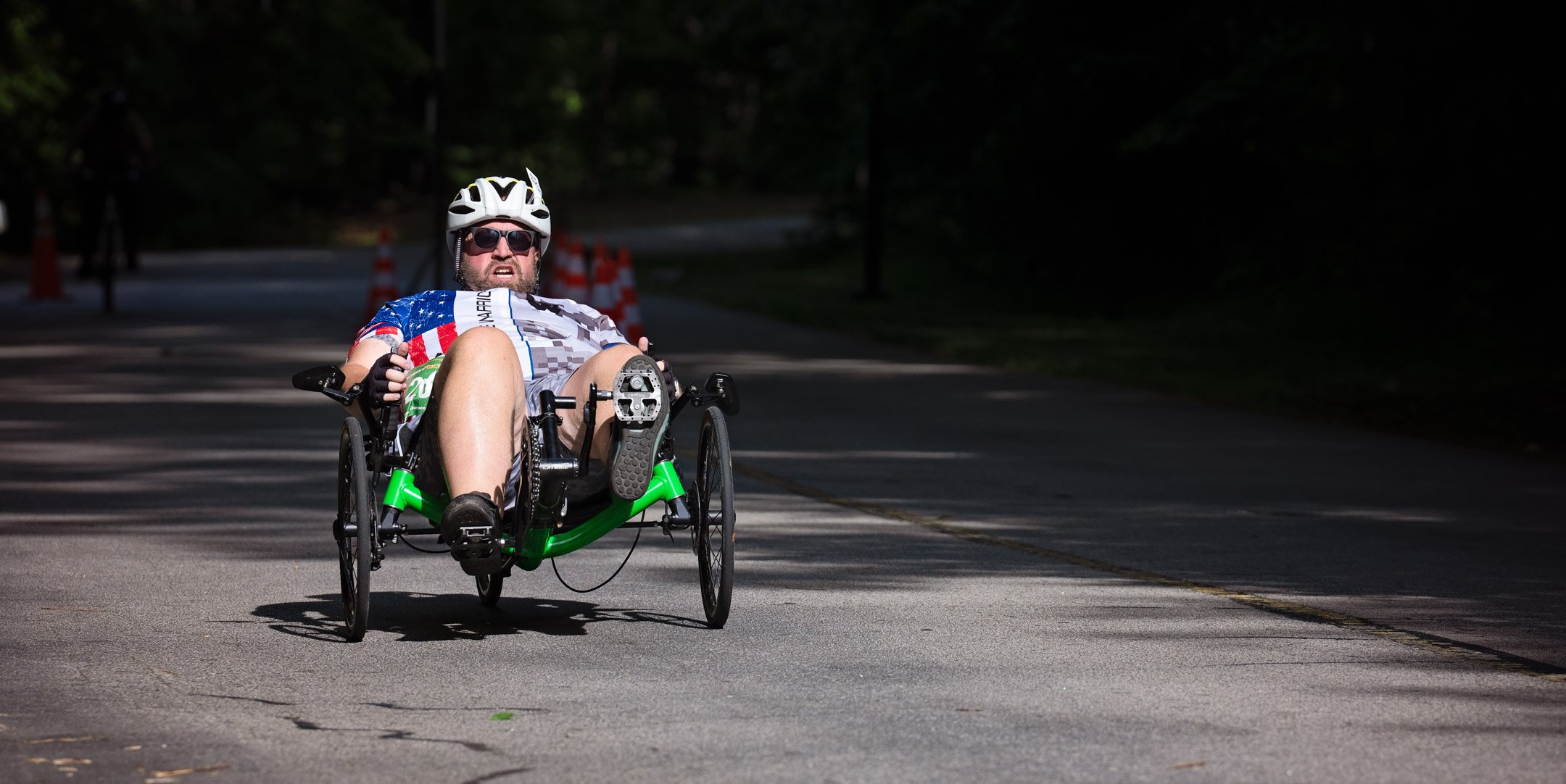
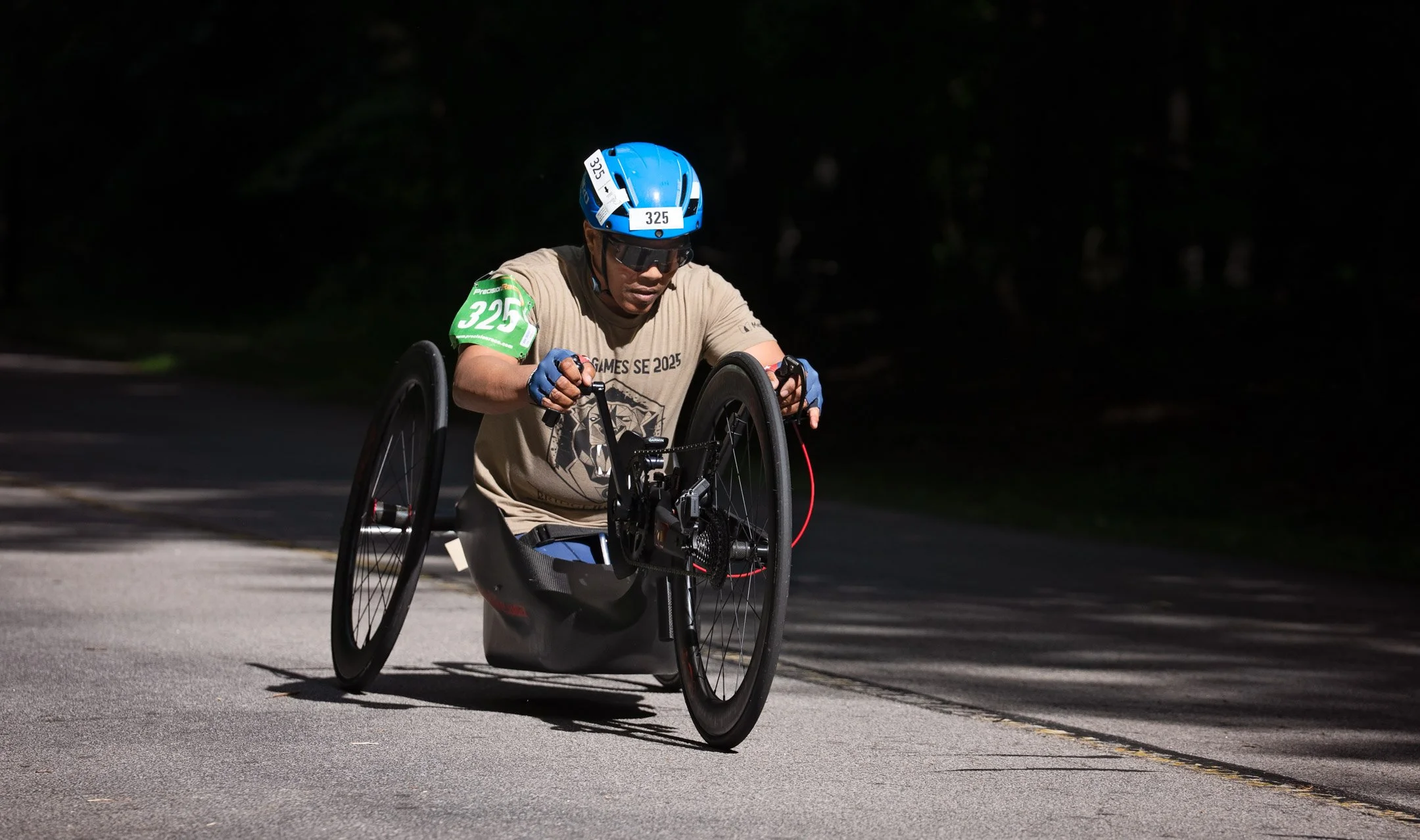
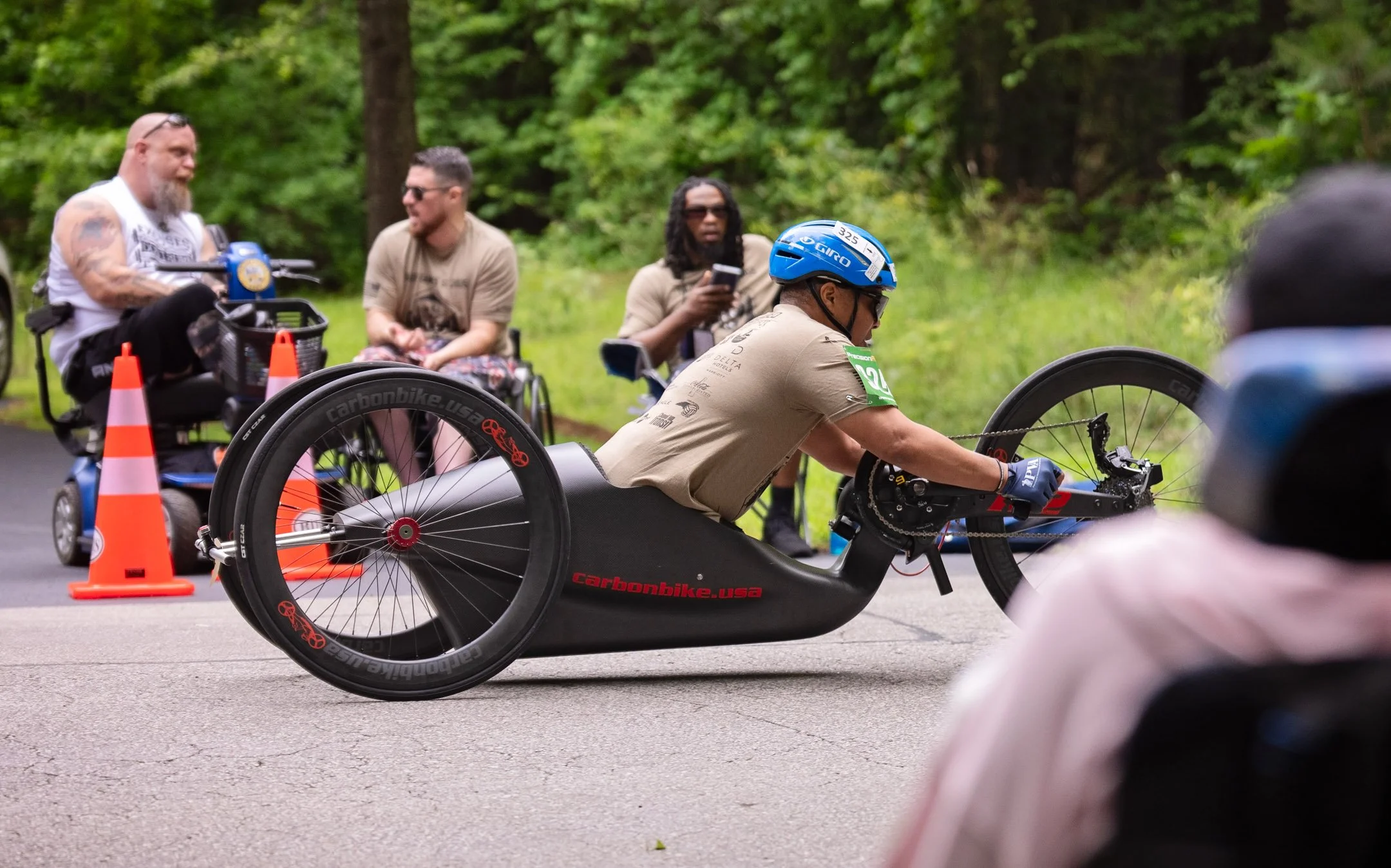
Two wheels. Three wheels. Hand-powered. Recumbent. Tandem.
Start With Where You Want to Go.
Adaptive cycling can support riders with different physical and visual disabilities, experience levels, and fitness goals.
The question doesn't have to be, “Can I ride?”
A better place to start is:
“What kind of cycle might work for me?”
Finding the right equipment is part of finding your way into the sport.
how cycling adapts
Adaptive cycles come in many configurations designed around different riders and ways of moving.
Bridge2Sports' equipment has included:
Tandem Cycles
Create opportunities for riders who are blind or have low vision to ride with a sighted partner.
Recumbent Bikes & Trikes
Offer different seating positions and increased stability for riders who benefit from additional balance or support.
Handcycles
Allow riders to propel the cycle using their upper body.
The right option depends on the individual rider, fit, goals, and available equipment.
Take It to the Trail.
Bridge2Sports creates adaptive cycling opportunities on Triangle greenways during cycling season.
Rides can offer different experiences for different participants—from fitness and endurance goals to simply enjoying movement, fresh air, and time with other riders.
Current locations, dates, equipment availability, and registration information can change, so check the live opportunity listing before planning your ride.
Specialized adaptive cycles can be difficult and expensive to access. That shouldn't mean you have to purchase one before you even know what works for you.
Bridge2Sports maintains adaptive equipment to help participants access opportunities to ride.
Because cycle type, fit, availability, and individual needs vary, connect with Bridge2Sports before attending so the team can help determine what equipment may be available for you.
You Don't Have to Own the Bike to Find the Sport.
Start With the Desire to Ride.
You don't have to know the difference between every adaptive cycle before you start.
You don't have to know how far you can go.
And you don't have to decide whether you're a “cyclist.”
Start with a ride.
We'll help you explore what comes next.