
From Raleigh to the Stanley Cup: How Accessibility Is Changing the Game for Hurricanes Fans
In the Triangle, hockey isn’t just growing—it’s thriving.
From packed nights at PNC Arena to youth programs across Raleigh-Durham, the Carolina Hurricanes have helped turn North Carolina into a true hockey community. And this time of year, when the Stanley Cup Final takes center stage, that excitement only builds.
But for many fans, experiencing hockey hasn’t always been equal.
Now, thanks to new accessibility initiatives at the NHL level, that’s beginning to change in a big way.
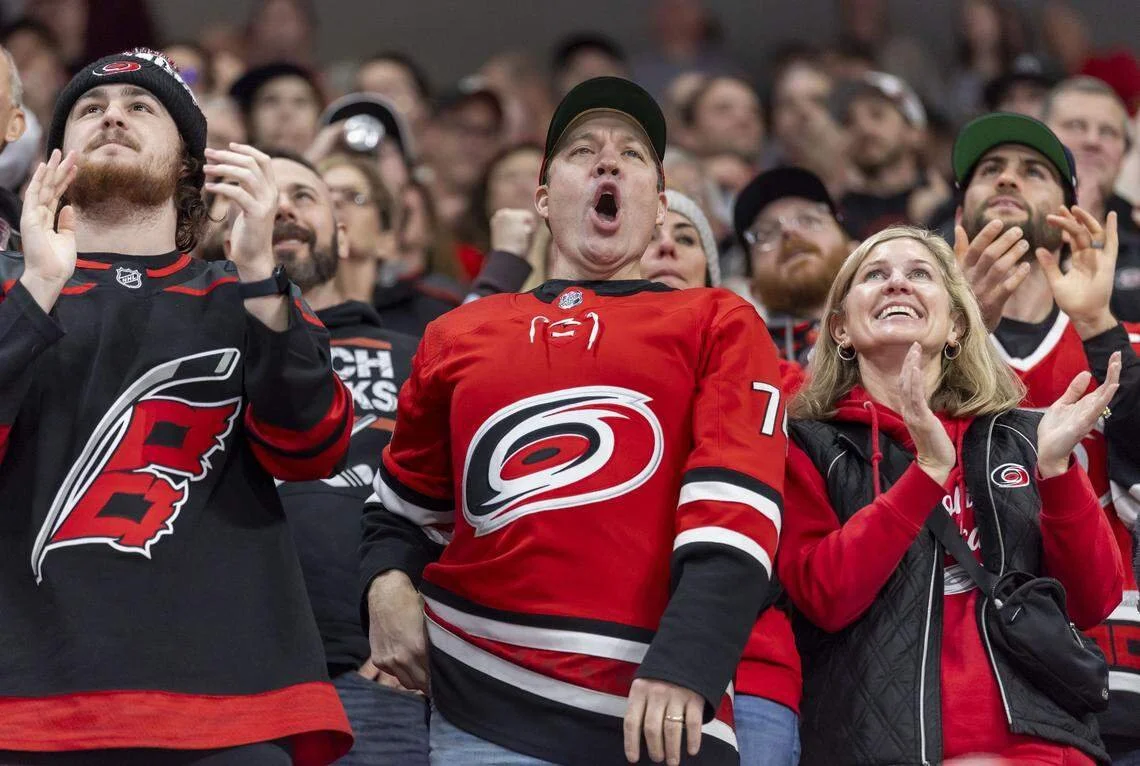
Courtesy of News & Observer
A More Inclusive Stanley Cup Experience
In recent seasons, the NHL has introduced “NHL in ASL,” a fully immersive American Sign Language broadcast of the Stanley Cup Final.
This isn’t just closed captioning layered onto a traditional broadcast. It’s a completely redesigned viewing experience, featuring:
- Deaf commentators delivering live play-by-play in ASL
- Visual graphics showing crowd noise and game intensity
- On-screen elements that help convey momentum, goals, and big moments
For Deaf and hard-of-hearing fans, it’s a chance to experience the energy of playoff hockey in a way that’s never really existed before.
And for a fan base like the Hurricanes’, known for its energy and passion, that matters.
Why It Hits Home in Hurricanes Country
Anyone who’s been inside PNC Arena during a Hurricanes playoff run knows how much atmosphere is part of the game.
The “Storm Surge.”
The crowd chants.
The sound after a big hit or goal.
For hearing fans, those moments define the experience. But for Deaf and hard-of-hearing fans, they can be harder to access.
That’s what makes the ASL broadcast so impactful—it helps translate not just the action, but the emotion of hockey.
It’s also part of a broader push right here in Raleigh.
The Hurricanes have already taken steps toward inclusion, including partnering with organizations focused on improving accessibility at PNC Arena and across fan experiences.
At BridgeSports, we see that same mission every day: breaking down barriers so more people can fully participate in sport—whether on the field, on the court, or in the stands.
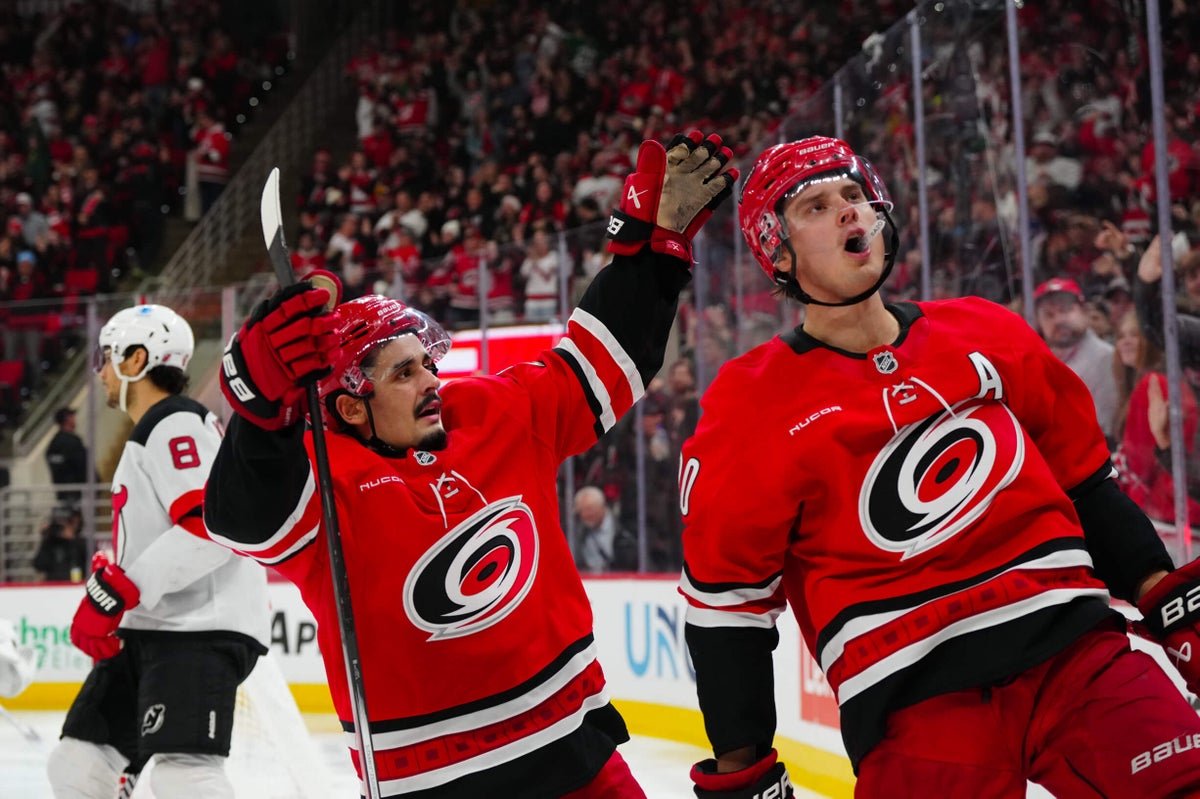
Courtesy of NY Times
Accessibility Means Belonging
For many in the disability community, access is about more than just being able to attend a game. It’s about being able to feel like part of it.
That might mean:
- understanding the flow of a fast-paced game
- sharing in the excitement of a goal
- following along without relying on someone else
The NHL’s ASL broadcast is one step in that direction—creating an experience where fans don’t have to adapt to the sport, because the sport is adapting to them.
And that shift matters.
It reflects a growing understanding across sports: inclusion isn’t an add-on—it’s a responsibility.
A Bigger Moment for Adaptive and Inclusive Sports
Here in the Triangle, organizations like Bridge2Sports are working every day to build access through adaptive programming, community events, and inclusive competition.
So, when accessibility shows up on one of the biggest stages in sports—the Stanley Cup Final—it sends a powerful message.
It says:
- inclusion belongs at every level
- adaptive and accessible sports aren’t separate—they’re part of the same ecosystem
- and every fan, no matter their ability, deserves to be part of the moment
Looking Ahead
There’s still more progress to be made.
Accessibility in sports continues to evolve—across arenas, broadcasts, and community programs. But innovations like “NHL in ASL” show what’s possible when leagues take that responsibility seriously.
For Hurricanes fans here in Raleigh-Durham, it’s an exciting step forward.
Because at the end of the day, hockey—like all sports—is about connection.
And the more people we can bring into that experience, the better the game becomes.