
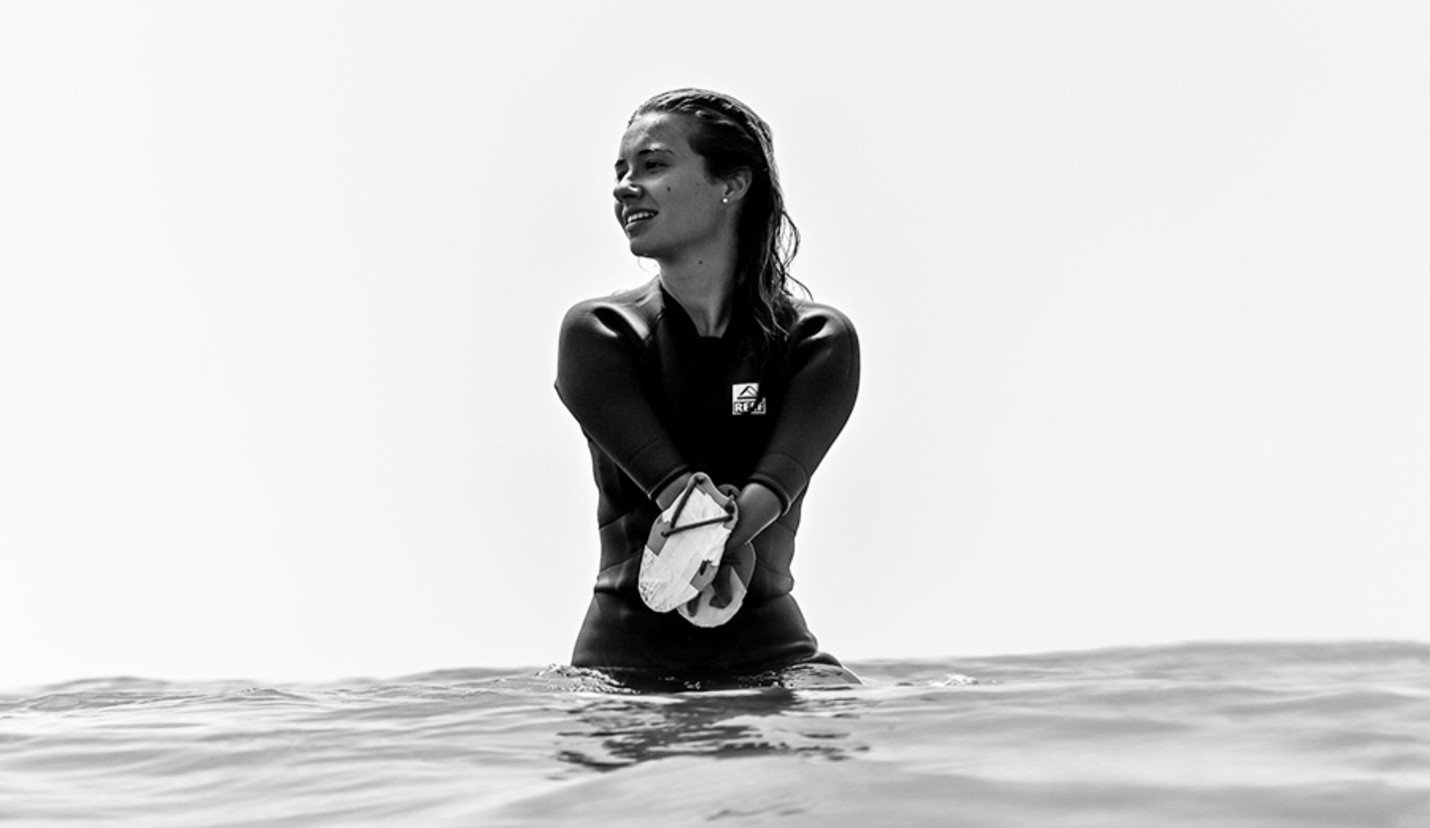
A surfing world championship in Palm Desert, California. The address sounds wrong. There is no coastline, no incoming swell, no reason to check the tide. There are mountains, golf courses and a machine making waves in a lagoon. From November 19 to 22, that is where the 2026 ISA World Para Surfing Championship will be decided.
Organizers expect approximately 140 athletes representing 24 national teams at DSRT Surf. Nine sport classes. World titles on the line. For the first time in International Surfing Association history, a world championship will take place in a manufactured surf lagoon.
You can practically hear the argument starting.
Surfing has always involved negotiating with conditions you cannot control. You study the water, choose your position and wait. Sometimes the wave delivers. Sometimes it looks promising until you commit, then leaves you standing there with very little to work with. Reading those conditions is part of the skill. So is knowing when to leave a wave alone.
A lagoon changes that bargain. The waves can be programmed and repeated. The machinery takes over some of the ocean’s job, and the surfers have to make something of what arrives.
That creates an interesting contest. Give different riders a more consistent wave and watch their decisions. One takes the aggressive line. Another builds speed before committing to a turn. Someone tries to squeeze one more maneuver out of a section and pays for it. The water may be manufactured. A badly timed turn still ends the usual way.
Palm Desert brings those choices into focus.
Para surfing has several ways of riding a wave. Athletes compete standing, kneeling, seated or prone, with separate classes for surfers with visual impairments. Each approach changes the relationship between rider, board and water. It changes how a surfer generates control, distributes weight and carries speed.
For a spectator, that variety is worth spending time with. A prone rider is down close to the surface, meeting the wave from a completely different angle than someone standing above it. A seated rider works through another set of movements. Watch a few rides and you begin to see how each surfer solves the problem, where they find an advantage and where a small mistake costs them.
The classification system provides the competitive structure. Within it, athletes have to produce the surfing.
Judges consider difficulty, commitment, variety, speed, power and flow. Getting through a ride is only the beginning. The question is what the surfer does with it. How demanding was the maneuver? Where on the wave did they attempt it? Did they carry speed through the turn, or spend the next few seconds trying to get it back?
A single burst of spray can look terrific in a photograph. Over a full ride, you find out whether the surfer can connect the pieces.
That is where the sport gets its teeth. There is a difference between a maneuver that looks expensive and one that actually delivers. A rider can throw everything into a turn and come out with nowhere to go. Another makes a smaller adjustment that sets up the best section of the wave. You start watching beyond the splash.
Then the score arrives, and everybody has an opinion.
A good broadcast should help build those opinions. Show the whole ride. Replay the turn that mattered. Explain what the judges rewarded and what the surfer left unfinished. Let the audience see why two rides that looked similar earned different numbers. Give people enough information and they will pick favorites, recognize styles and remember who they want to watch again.
The lagoon could help with that. More repeatable waves offer a chance to compare how athletes use similar opportunities. It will still take a good eye to understand the differences, but the setting gives viewers a useful place to start.
It also makes Palm Desert more than an unusual backdrop. This championship will offer a look at what competitive surfing becomes when the wave is part of the venue’s design. There are questions worth asking about that, including how much unpredictability belongs in the contest. The best answers will come from watching the surfing and hearing what the competitors make of it.
The ISA held its first World Para Surfing Championship in 2015. This year’s edition takes an established competition into unfamiliar territory, with national teams arriving to chase titles on waves produced far from the coast.
The ISA plans to stream the championship through its website. Give it a few heats. Watch who keeps their speed, who commits to the difficult section and who gets the most out of the wave.
By the time the scores come in, you should have somebody to root for. And possibly a problem with the judges.