
The Connection Problem
Written by Stuart James
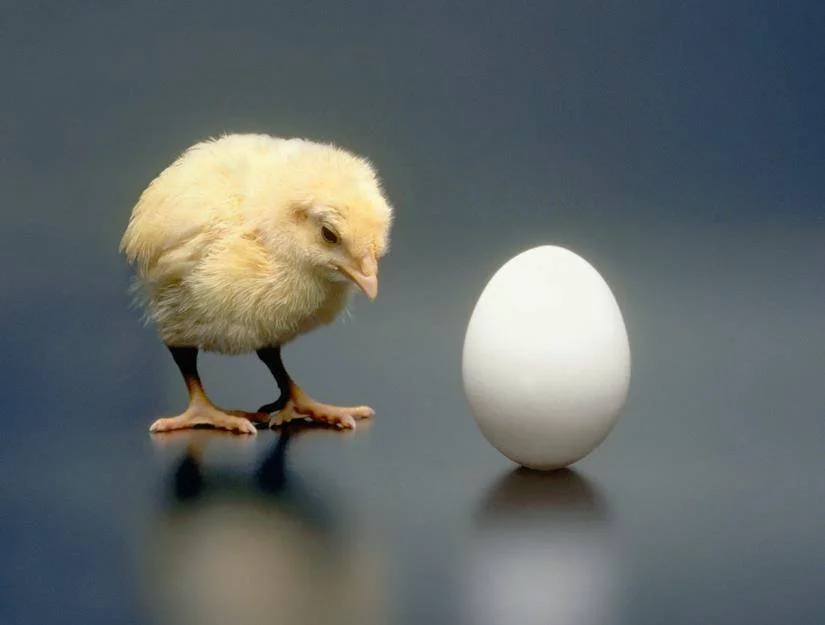
Every sport has a chicken and egg problem.
Do facilities create participation, or does participation create facilities?
The answer, of course, is both.
I've seen communities invest in quality facilities and watch participation grow almost overnight. I've also seen grassroots programs outgrow their space and force communities to invest in better infrastructure. The relationship works in both directions.
But the more time I spend around adaptive sports, the more I think we're often describing different symptoms of the same underlying challenge.
Spend enough time around adaptive sports and you'll hear a familiar list of concerns. We need more facilities. More funding. More coaches. More volunteers. More athletes.
None of those concerns are wrong.
The question I've been wrestling with is whether they all stem from the same place.
As someone who spent most of his career in sports marketing, I've always been fascinated by what causes people to show up. What turns someone from a casual observer into a participant or a fan? What makes a family invest their time and money? What creates momentum around a sport?
Earlier in my career, I spent years helping leagues, teams, and athletes build audiences in markets where fans had limited access to the product. The challenge wasn't that interest didn't exist. It was that the connection didn't exist. The goal was to create enough awareness, engagement, and demand that access would eventually become easier.
The more time I spend around adaptive sports, the more familiar that feels.
Maybe I'm wrong, but I don't think adaptive sports primarily suffers from a shortage of athletes.
I think it suffers from a shortage of connection.
The athletes are out there. They're sitting in classrooms. They're leaving rehabilitation programs. They're veterans looking for community. They're adults who have never been introduced to adaptive sports. They're parents trying to figure out what's possible for their child.
At the same time, opportunities are out there too.
Across the country there are adaptive sports programs looking for athletes, volunteers, coaches, officials, sponsors, and supporters.
Yet somehow they keep missing each other.
That's what makes this problem so frustrating.
Athletes struggle to find opportunities. Opportunities struggle to find athletes. Volunteers struggle to find programs. Programs struggle to find volunteers.
It sounds like a connection problem.

And once you start looking at adaptive sports through that lens, many of the solutions begin to look different.
Storytelling becomes important because stories help people see what's possible.
Schools become important because they expose young people to opportunities they might never discover otherwise.
Social media becomes important because it helps programs remain visible and accessible.
Platforms become important because they help people find information that is otherwise scattered across dozens of organizations.
And facilities become important because they create a physical place where people can find one another.
In many ways, a great facility is one of the most powerful tools for solving the connection problem.
A permanent home creates visibility. It creates consistency. It gives athletes, families, volunteers, and community members a place to gather. It reduces the friction that prevents people from getting involved in the first place.
That's why facilities matter so much.
Not simply because they provide courts, fields, storage space, or meeting rooms, but because they strengthen the connections that every successful sports community depends upon.
A facility becomes more than a building. It becomes a gathering place. It becomes a symbol that the community exists. And it becomes a doorway through which new athletes, volunteers, families, and supporters can enter the ecosystem.
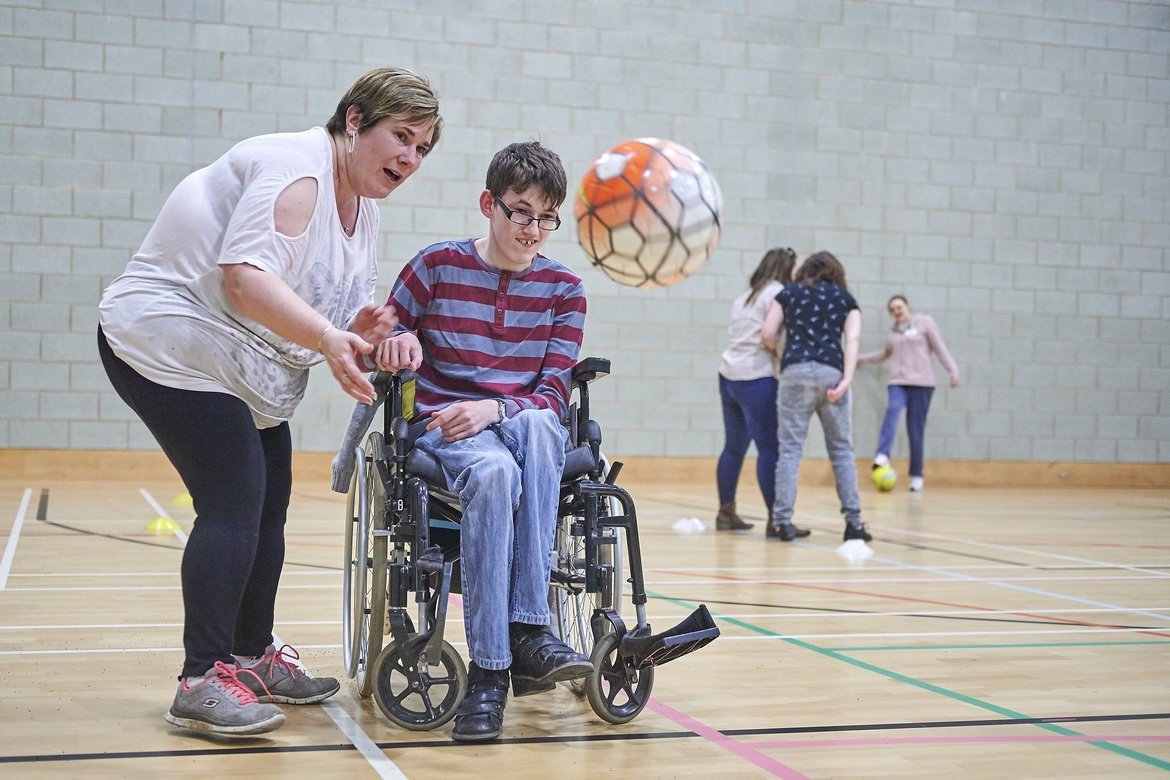
Fort Wayne is a good example. Dedicated adaptive sports space didn't just provide gym time. It created visibility, consistency, credibility, and community. Participation followed.
The same principle applies on a smaller scale.
Nobody looked at an empty field and said, "You know what this town needs? More soccer."
More often, somebody found a field, put up a couple of goals, and gave kids a consistent place to play. Kids started showing up. Parents got involved. Coaches volunteered. Leagues formed. Eventually communities invested in better facilities and more places to play.
The strongest sports ecosystems are built through a feedback loop. Connection creates participation. Participation attracts investment. Investment improves the experience. Improved experiences attract more participants.
At some point the cycle begins reinforcing itself.
The challenge for adaptive sports is that many organizations spend years operating in borrowed space. They move from gym to gym, rebuild schedules around someone else's priorities, and struggle to maintain visibility in the community.
Consistency creates community. Community creates participation. Participation attracts investment.
Without that consistency, maintaining momentum becomes much harder.
That's one reason I believe adaptive sports ultimately needs more dedicated facilities, not fewer. Not because buildings solve the problem by themselves, but because communities eventually outgrow borrowed space.
If connection is the challenge, then we also need to think carefully about who belongs in the ecosystem.
No sport survives on athletes alone. Every successful sports ecosystem depends on parents, coaches, volunteers, sponsors, officials, fans, and future participants. Adaptive sports is no different.
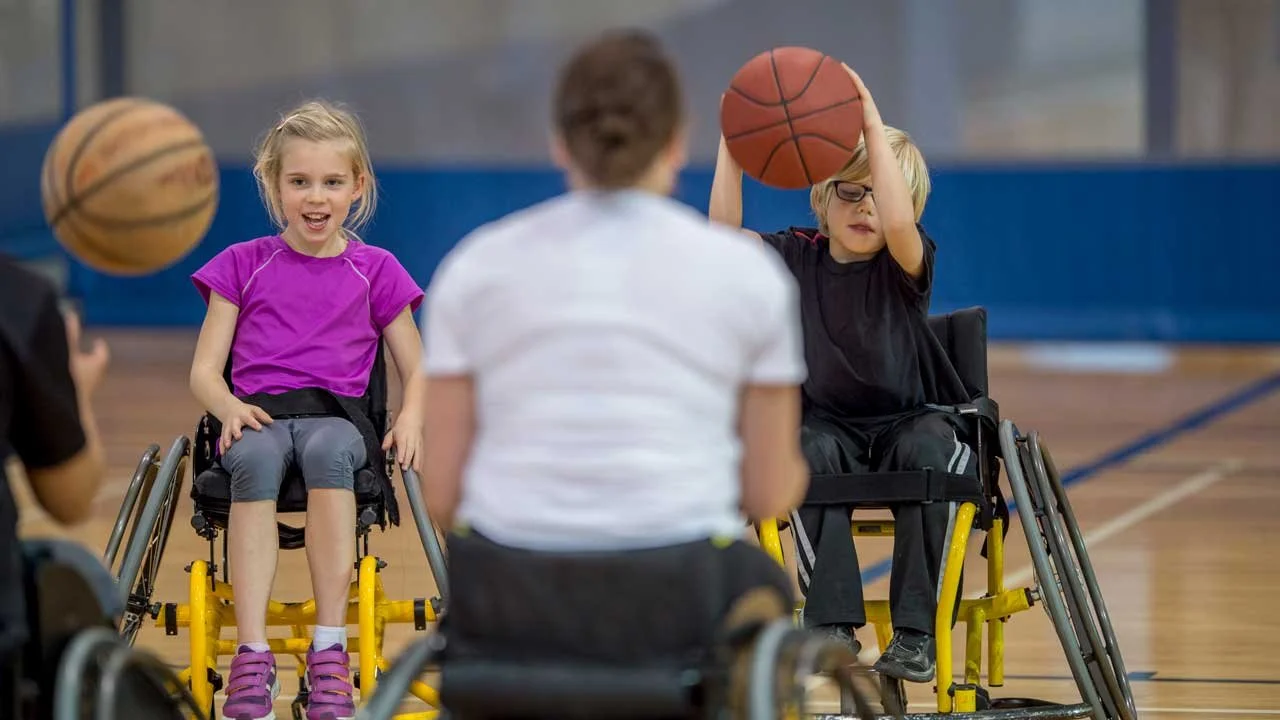
When classmates without disabilities play wheelchair basketball, when siblings participate in boccia clinics, or when community members try adaptive sports for the first time, something important happens. The ecosystem becomes larger, more visible, and more sustainable.
Some of those participants become volunteers. Some become advocates. Some become coaches. Some become lifelong fans. Most importantly, they help normalize adaptive sports and expand the network of people connected to it.
If our goal is to increase participation, grow awareness, and build stronger sports communities, we should be looking for ways to bring more people into the ecosystem, not fewer.
Maybe that's why I keep coming back to connection.
The athletes are already out there. The families are already out there. The volunteers are already out there. The coaches are already out there. The opportunities are already out there.
The challenge is helping them find one another.
That's why storytelling matters. That's why schools matter. That's why social media matters. That's why platforms matter. And that's why facilities matter.
Each plays a different role, but they all serve the same purpose: creating connections between people who might otherwise never find one another.
Do that, and participation grows. Do that, and communities grow. Do that, and eventually the case for more facilities, more investment, and more opportunities becomes obvious.
Because people don't build communities around buildings.
They build buildings around communities.